

Fuba Tamang History
In a time when the music world feels saturated with noise, it’s refreshing to come across an artist who doesn’t just perform—but connects. Fuba Tamang is one such name. A singer whose voice carries the weight of his roots, the rhythm of the hills, and the heartbeat of a community that rarely gets the spotlight it deserves. Hailing from Nepal, Fuba isn’t just another emerging artist—he’s a storyteller, a cultural torchbearer, and a musician with something real to say.
His songs, like “Para Para“ and “Dami,“ aren’t just catchy tunes—they’re living expressions of who he is and where he comes from. They speak to listeners across languages and borders, carrying profoundly personal and universally relatable emotions. Whether it’s the playful, rhythmic energy of “Dami” or the soulful, nostalgic vibe of “Para Para,” Fuba can pull you into his world without trying too hard. It’s effortless yet powerful.
Growing up in the heart of the Tamang community, Fuba was surrounded by music that wasn’t made for fame but for people. Music was part of every gathering, every celebration, and every quiet moment. Traditional instruments, folk rhythms, and heartfelt melodies were all part of the air he breathed. It’s no surprise that when he began writing and performing, his sound came out naturally grounded, full of emotion, and unmistakably honest.
But make no mistake—Fuba’s music is not stuck in the past. While he honors his heritage, he also knows how to blend the old with the new. His approach transcends generations: young people connect with his modern production and new vitality, while older listeners perceive themes and rhythms they are familiar with. It’s this balance that makes his music stand out. Songs like “Dami” aren’t just popular—they’re meaningful. They offer something more profound than a beat; they’re windows into a life shaped by culture, struggle, joy, and dreams.
What makes Fuba’s journey unique is how quietly confident he is. He doesn’t shout for attention. He doesn’t ride waves of social media gimmicks. Instead, he lets his art speak—and people are listening. There’s a rare authenticity in his voice that’s hard to miss. Every note and word feels like it comes from a place of truth. And in today’s fast-paced digital world, that kind of honesty is not only refreshing—it’s needed.
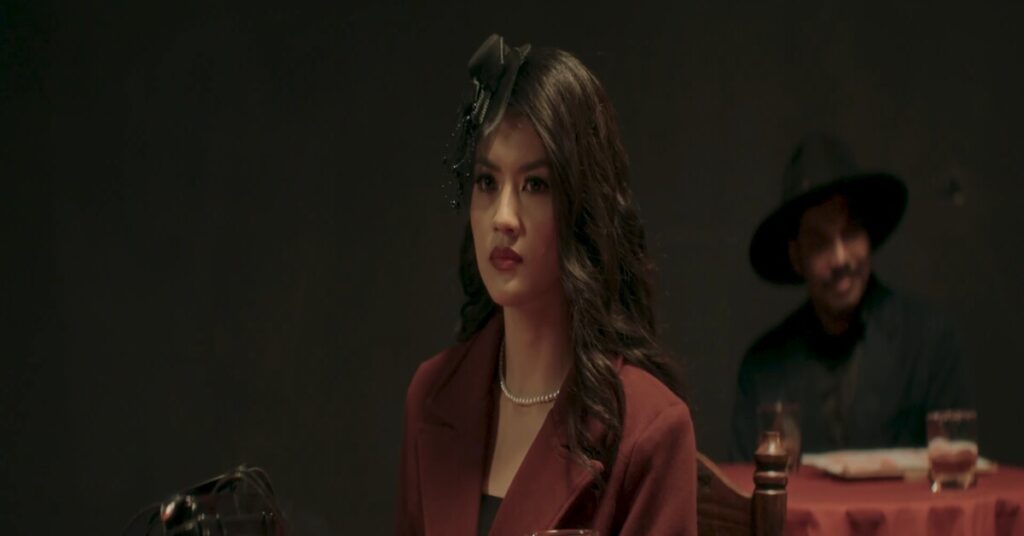
“Para Para,” in particular, holds a different charm. It feels like a story set to melody, unfolding gently with each line. It’s the kind of song that makes you pause and feel—whether it’s a memory you’re revisiting or an aspiration that seems nearly unattainable. There’s something beautifully cinematic about it, like the hills singing along. Songs like this show Fuba isn’t just a performer—he’s a craftsman of emotion.
Of course, music is only one part of who Fuba is. Behind the stage presence is a young man who’s deeply aware of his identity and proud of where he comes from. He’s not just building a personal career—he’s contributing to a movement that lifts Indigenous voices, honors cultural roots, and reminds us of the power of authenticity.
For many fans, Fuba Tamang is more than just a favorite artist—he’s a reflection of themselves. His music has an enduring impact because it is grounded in truth rather than fads.
So whether you’re dancing to “Dami” or getting lost in the mood of “Para Para,” one thing’s certain—Fuba’s music leaves a mark. And as his journey unfolds, it’s clear that he’s not just making songs. He’s making memories, building bridges, and giving voice to stories that need to be heard.
Para Para Lyrics – (Released Year 2025)
You Can Watch Video Para Para By Fuba Tamang
Love this? Discover more lyrics that speak to your soul! : Lovi Najar Lyrics | Hukke X Urgen Dong, Deepika Bayambu Ft Sanjana Gurung & Sarmila Tamang