
Pashupati Sharma History
When someone speaks of modern Nepali lok geet (folk songs), one name always finds its way into the conversation—Pashupati Sharma. For many, he’s not just a singer; he’s the voice of the people, echoing their hopes, frustrations, and humor through melodies that cut across generations. Whether it’s a light-hearted jibe at political absurdities or a soul-stirring tune about rural life, Sharma’s songs feel like conversations with everyday Nepalis.
Born in the heart of Nepal, in Syangja district, Pashupati Sharma’s journey began far from the limelight. From a young age, he was drawn to music, particularly the traditional lok geet his elders sang at gatherings. These melodies, embedded with cultural pride and local stories, planted the first seeds of inspiration in his heart. Unlike the glittery world of commercial pop music, Sharma’s path was grounded, organic, and closely tied to Nepal’s soil and society.
Sharma rose to fame not with slick studio productions, but with lyrics that spoke to the common people. In a country grappling with rapid political change, migration, inequality, and social challenges, his songs provided a mirror to society—sometimes serious, often sarcastic, always relevant. What set him apart was his boldness. While many artists played it safe, Sharma embraced satire and truth, even when it stirred controversy.
One of the turning points in his career came with songs like “Malai America Yahi” and “Lutna Sake Lut” which didn’t just go viral but sparked conversations across the nation. People weren’t just listening—they were thinking, questioning, and sharing. In Sharma’s lyrics, fans found the courage to laugh at power and demand better. It was folk music with a sharp edge, and it resonated deeply.
Yet, Sharma’s music isn’t limited to satire. He also captures the beauty of village life, the pain of separation when loved ones leave for foreign lands, and the simple joys of festivals, traditions, and love. His voice, distinct and emotionally rich, carries a weight of authenticity that few can replicate. Songs like “Syangja Jane Bataima Tanahun ,” and “Tiharai Aayo” remind us that while he is a critic of systems, he’s also a romantic, a cultural ambassador, and a storyteller.
Over the years, Sharma has collaborated with numerous artists and lyricists, helping revive and modernize the folk genre for younger audiences. His work proves that lok geet is not a relic of the past but a living, breathing form of art that evolves with the people. His YouTube channel has become a digital stage, drawing millions of viewers not only from Nepal but also from the global Nepali diaspora who long for a taste of home.
What makes Sharma’s artistry even more admirable is his humility. Despite his fame, he maintains a grounded persona, often seen in simple daura suruwal attire and engaging with fans in local dialects. He attends events in small towns, sings at community festivals, and always remains close to his roots. His popularity doesn’t lie in glamour—it lies in how genuinely he represents the voices that are often ignored by mainstream platforms.
Recently, as digital platforms have grown, Sharma has used his influence responsibly. His songs have addressed social taboos, promoted harmony, and even encouraged civic engagement. While others chase commercial success, he remains driven by purpose, using music as a form of social expression and cultural preservation.
Of course, such fearlessness has also brought its share of challenges. A few of his songs have faced political backlash and have even been temporarily removed from public platforms. But Sharma has never let censorship silence him. If anything, it has only strengthened his resolve to keep singing for those who feel voiceless.
In a world where music is often reduced to trends and algorithms, Pashupati Sharma stands as a rare artist—one who dares to say something meaningful. He’s not just an entertainer; he’s a cultural voice, a watchdog, and a modern-day bard for the nation. Whether you’re laughing at his witty jabs or tearing up over a nostalgic tune, his music leaves an impact.
As Nepal continues to evolve, Sharma’s role as a folk icon remains not just relevant but necessary. He reminds us that true art doesn’t just entertain—it enlightens, questions, and inspires. And in every corner of the country, from city apartments to hillside villages, his songs continue to echo—timeless, fearless, and deeply Nepali.
Jhole Ta Tai Jhole Ta Mai Lyrics – (Released Year 2025)
Verse 1:
Neta Ko Gun Gaan Gaune Ni Tai
Tinai Ko Pachi Laune Ni Tai
Bhrasta Lai Deuta Maane Ni Tai
Ryalli Ma Dunga Haane Ni Tai
Kp Ni Sahi, Deuba Ni Sahi
Prachanda Sahi, Rabi Ni Sahi
Kharab Ta Tai Kharab Ta Mai
Kharab Ta Tai Kharab Ta Mai
Kharab Ta Tai Kharab Ta Mai
Kharab Ta Tai Kharab Ta Mai
Verse 2:
Aafno Party Ta Ganauda Ni Sahi
Janata Lai Bheda Banauda Ni Sahi
Maan Lako J J Bole Ni Sahi
Nango Bhai Sabai Khole Ni Sahi
Congress Ni Sahi, Ehmale Sahi
Maobadi Sahi, Rasapa Sahi
Jhole Ta Tai Jhole Ta Mai
Jhole Ta Tai Jhole Ta Mai
Jhole Ta Tai Jhole Ta Mai
Jhole Ta Tai Jhole Ta Mai
Verse 3:
Chada Geet Gaune Hitai Ka Hit
Utaula Jati Jata Ni Fit
Mitho Geet Gaune Utano Jhaar
Nepal Ma Ramro Laudaina Paar
Moti Ni Sahi, Luri Ni Sahi
Mundre Ni Sahi, Jhyaple Ni Sahi
Kharab Ta Tai Kharab Ta Mai
Kharab Ta Tai Kharab Ta Mai
Kharab Ta Tai Kharab Ta Mai
Kharab Ta Tai Kharab Ta Mai
Verse 4:
Anek Anek Ka Awatari Aauchan
Youtuber Tin Kai Pachadi Lauchan
Tinaika Video Herne Ni Tai
Celebrity Jasto Gherne Ni Tai
Tyo Pani Sahi, Tyo Pani Sahi
Tyo Pani Sahi, Tyo Pani Sahi
Kharab Ta Tai Kharab Ta Mai
Kharab Ta Tai Kharab Ta Mai
Kharab Ta Tai Kharab Ta Mai
Kharab Ta Tai Kharab Ta Mai
Verse 5:
Kehi Nabhai Birami Hune Ni Sahi
Camera Aagi Rune Ni Sahi
J Bhane Ni Pataune Tai
Testa Lai Paisa Pathaune Tai
Rame Ni Sahi, Shyame Ni Sahi
Sitae Ni Sahi, Nitae Ni Sahi
Kharab Ta Tai Kharab Ta Mai
Kharab Ta Tai Kharab Ta Mai
Kharab Ta Tai Kharab Ta Mai
Kharab Ta Tai Kharab Ta Mai
Verse 6:
Karmachari Pani Netai Ka Chan
Gatilo Tham Ma Tetai Ka Chan
Lutne Jatile Lutekai Chan
Apradhi Pani Chutekai Chan
Hajur Ni Sahi, Hajur Ni Sahi
Hajur Ni Sahi, Hajur Ni Sahi
Kharab Ta Tai Kharab Ta Mai
Kharab Ta Tai Kharab Ta Mai
Kharab Ta Tai Kharab Ta Mai
Kharab Ta Tai Kharab Ta Mai
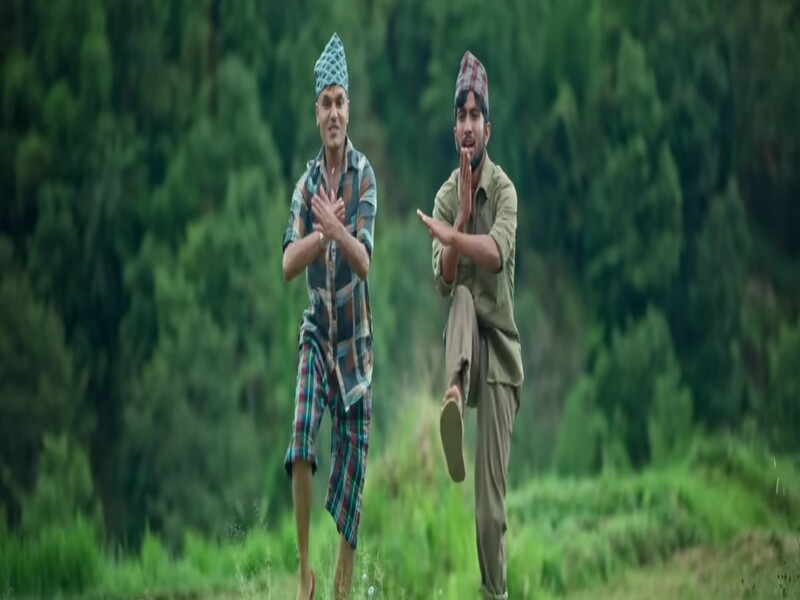
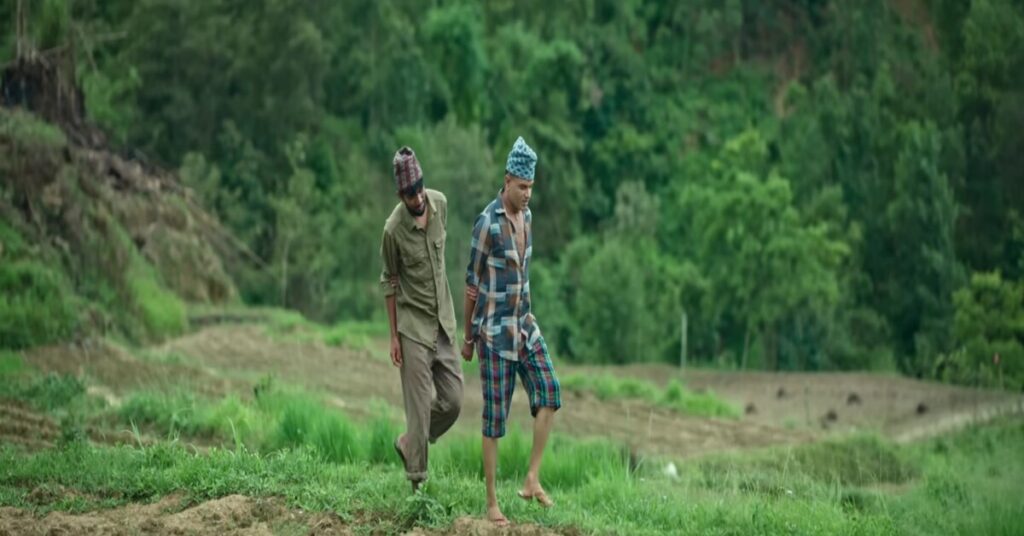
You Can Watch Video Jhole Ta Tai Jhole Ta Mai Video By Pashupati Sharma
Love this? Discover more lyrics that speak to your soul! : Makai Bari Daryam Daryam Lyrics | Bishal Sony | Sushma Shahi Thakuri