
Jhuma Limbu History
In a world that moves at the speed of algorithms and trends, some artists choose a different path — a quieter, deeper one. Jhuma Limbu is one such rare soul. She isn’t just a singer; she is a living bridge between Nepal’s ancient musical traditions and the modern listener. When you hear her voice, it’s not just a melody you encounter — it’s a memory, a story, a deep echo from the heart of the hills.
Born in the culturally rich yet often overlooked eastern hills of Nepal, Jhuma grew up surrounded by the sounds of nature — the wind rustling through the trees, the steady beat of the dhyangro drums during village rituals, and the age-old folk songs passed down from generation to generation. These sounds weren’t just background noise to her childhood; they became her early teachers. Even before she formally studied music, Jhuma understood that sound could carry the soul of a people.
Yet her journey wasn’t straightforward. In a country where pop music often dominates the airwaves, choosing to specialize in indigenous folk music wasn’t the obvious choice. It required immense courage and passion. Jhuma wasn’t just drawn to music for fame or fortune. She was on a mission — a mission to document, preserve, and share the songs of the indigenous communities of Nepal, many of which were in danger of disappearing forever.
Over the years, her work has become a vital archive of living heritage. Through her soothing yet powerful voice, Jhuma brings ancient stories to life. Each note she sings is steeped in authenticity, respecting the original context of the music while making it accessible to new generations. She doesn’t try to “modernize” the songs into something they’re not. Instead, she invites listeners to step into the world where these songs were born — to feel the emotions, the landscapes, and the spirits behind them.
Her YouTube channel, a carefully curated collection of songs, performances, and field recordings, reflects this deep respect for tradition. It’s not just a platform for her singing; it’s a growing archive of a rich but vulnerable musical heritage. Watching her videos feels less like browsing online content and more like attending an intimate gathering where an elder shares the stories of their ancestors.
One of the most striking things about Jhuma Limbu is her ability to sing in a way that feels effortless, yet every note is loaded with meaning. Whether she’s performing a haunting Mewahang ballad or a joyful Kirati dance song, she embodies the spirit of the music. Her voice rises and falls like the hills she grew up in, sometimes whispering like the breeze, sometimes roaring like a river after the rains.
But Jhuma’s contributions go beyond her own performances. She has traveled to remote villages, recording elder singers and documenting musical forms that had never been written down or formally studied. In doing so, she is helping to preserve the unique oral traditions that define Nepal’s diverse cultural landscape. This work is painstaking, often requiring long treks, difficult conversations, and delicate trust-building with communities that are wary of outsiders.
In interviews, Jhuma often speaks about the importance of “memory”—not” just personal memory, but collective memory. She believes that when a song is lost, a part of a community’s identity is lost with it. Through her efforts, she is ensuring that future generations can still access these treasures, not as relics locked away in museums, but as living, breathing parts of their everyday lives.
Listening to Jhuma Limbu is a reminder that music isn’t just entertainment — it’s history, it’s identity, it’s resistance, and it’s love. It’s the laughter of children in a village courtyard, the tears of a widow mourning a lost love, and the collective dreams of a people woven into melody.
In a fast-changing world where traditions often get drowned out by noise, Jhuma’s work feels urgent and necessary. She stands as a guardian of Nepal’s intangible heritage, a voice that carries the weight of generations yet sings with the freshness of morning mist.
Through her music, Jhuma Limbu invites us all to pause, listen deeply, and remember who we are.
Aye Thuli Lyrics – (Released Year 2025)
Verse 1:
Aey Hoy Hajurlai Parkhi Baschan
Sitai Ko Chiso Tareli Hajurlai
Parkhi Baschan Sitai Ko Chiso Tareli
Sunsaan Bato Heri Bascha DhapkidaiNan
Ti Pareli Sunsaan Bato Heri Bascha
DhapkidaiNan Ti Pareli
Verse 2:
Ghaam Charkera Unlai Sataula
Eh… Badaal Ghaam Charkera Unlai
Sataula Eh..Badaal Cheki Deu Hai
Barsataile Bato Chekla Eh.. Khola
Barsataile Bato Chekla Eh Khola
Sukideu Hai
Verse 3:
Aey Hoy Hajurlai Parkhi Bascha
Sitai Ko Chiso Tareli
Bhanjyang Ma Hawa Chalda
Kaan Thapera Sune Maya Le
Bhanjyang Ma Hawa Chalda
Kaan Thapera Sune Maya Le
Maile Lagaune Seer Ko Topi
Timrai Haath Le Bune Maya Le
Maile Lagaune Seer Ko Topi
Timrai Haath Le Bune Maya Le
Ma Doora Chu Tara Pura Pur Chu
Ma Doora Chu Tara Pura Pur Chu
Aye Thuli Aye Thuli
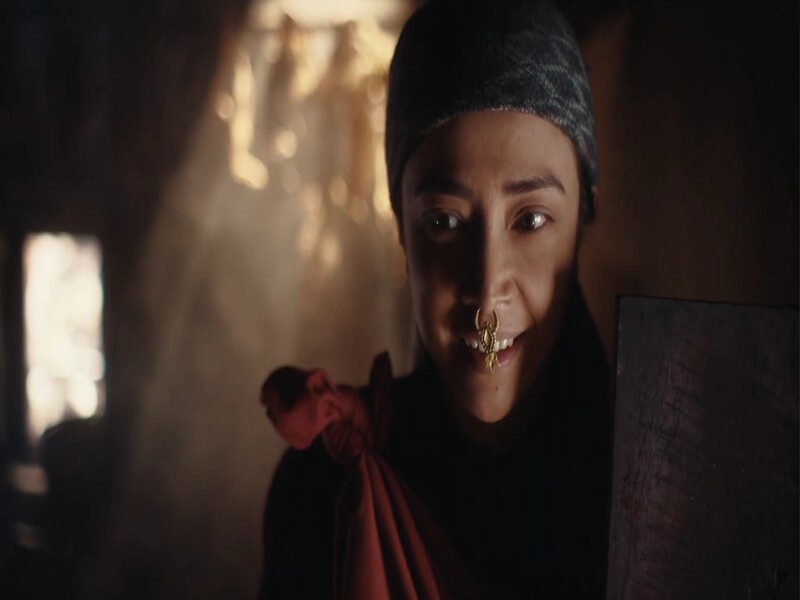
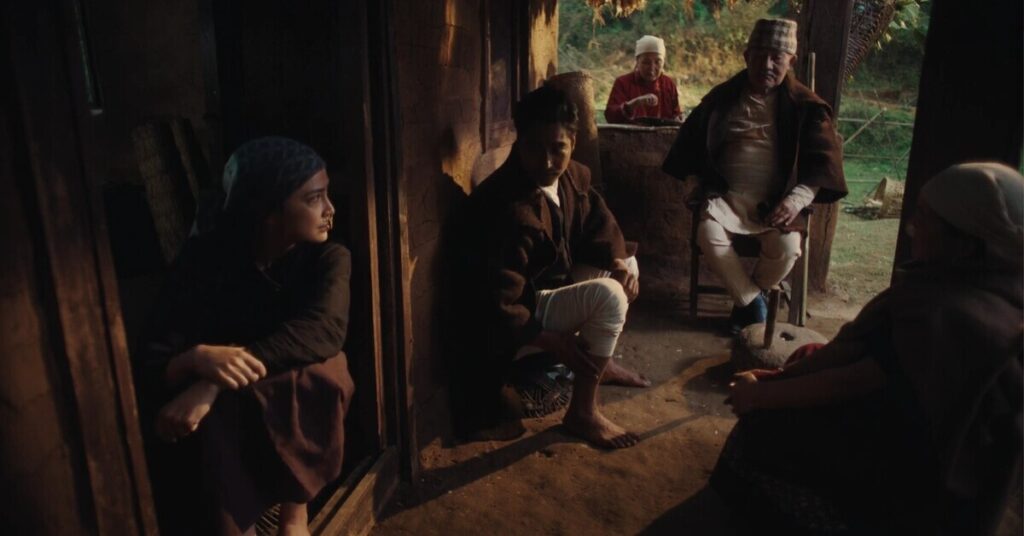
You Can Watch Video Aye Thuli From The Movie Jaar
Love this? Discover more lyrics that speak to your soul! : Kafle Lyrics | Jhuma Limbu | Sujan Chapagain OST Of Unko Sweater